


Zero Liquid Discharge (ZLD) Overview
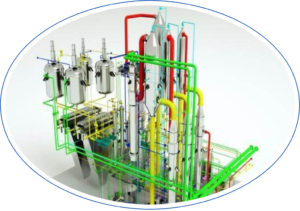
Zero Liquid Discharge (ZLD) is an advanced wastewater treatment approach that eliminates liquid effluent by recovering almost all water and converting the remaining waste into solid form. Using a combination of membrane pre-concentration, thermal evaporation, crystallization, and drying, ZLD systems enable:
- Up to 95–99% water recovery for reuse in industrial processes.
- Stable solid by-products (such as salts) for safe disposal or reuse.
- Full compliance with strict environmental regulations.
For industries facing water scarcity, high disposal costs, and strict discharge controls, ZLD provides a sustainable and reliable solution.
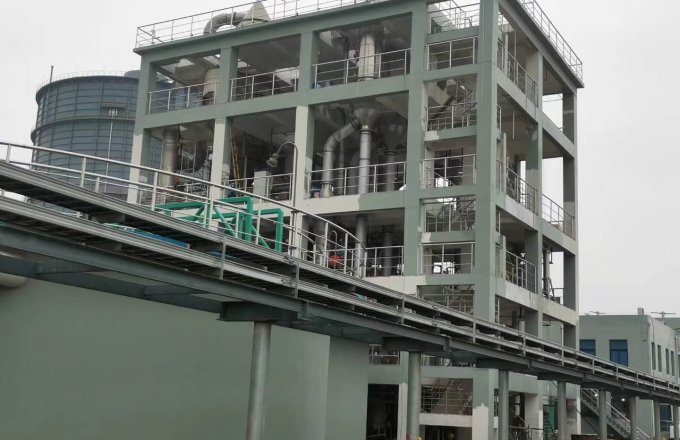
ZLD Process
- Pre-Concentration – Membrane systems (MF, UF, NF, RO) recover reusable water and reduce volume.
- Evaporation & Crystallization – Thermal systems (MVR, MEE) recover additional water and separate salts.
- Drying & Solid Separation – Produces stable solids with very low moisture for safe handling.
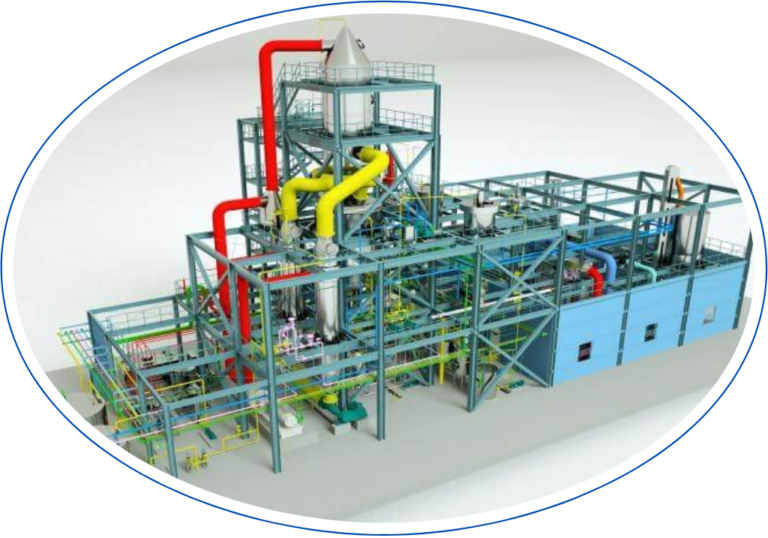
Benefits
- Regulatory compliance with zero liquid effluent.
- High water recovery, reducing reliance on freshwater sources.
- Resource recovery of salts and minerals such as NaCl, Na₂SO₄, and lithium salts.
- Lower disposal costs through solid waste conversion.
- Environmental protection by preventing soil and water contamination.
 .
. 
Applications
ZLD is widely applied in:
- Mining & Resources – brine treatment and lithium recovery.
- Power Generation – flue gas desulfurization wastewater.
- Coal Chemical & Petrochemical – high-salt, high-COD wastewater.
- Pharmaceuticals & Pesticides – toxic effluent management.
- Food, Beverage & Dairy – wastewater recycling for reuse.
- Pulp & Paper & Chemicals – concentration of saline effluents.
- Landfill Leachate – full treatment and safe disposal.
Partner with Hydrodyna
Hydrodyna, as the exclusive representative of Sanfeng in Australia, provides advanced ZLD solutions that combine proven international technology with local engineering expertise. Our systems help industries achieve compliance, recover valuable resources, and secure a sustainable water future.
